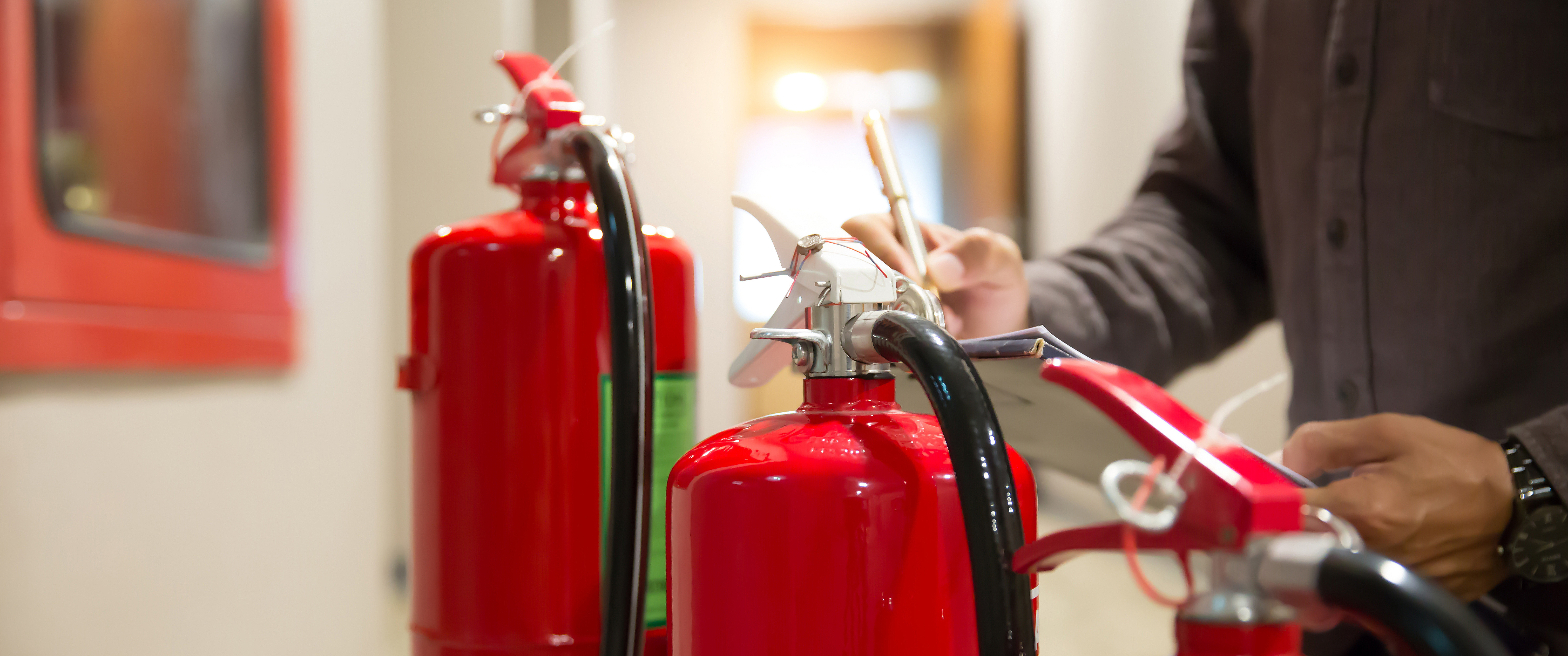
The Fire and Life Safety industry is an ever-evolving landscape. And as a Commercial Fire customer, it’s crucial now more than ever to stay informed about the latest code changes affecting fire sprinkler system inspections. While updates such as these are to enhance safety and protect property, they also simplify compliance and offer new financial benefits. Below, we cover the most important changes and what they mean for you.
Read More
Topics:
Compliance,
Sprinklers,
Fire Safety,
Customer,
Fire Code,
Education
Introduction
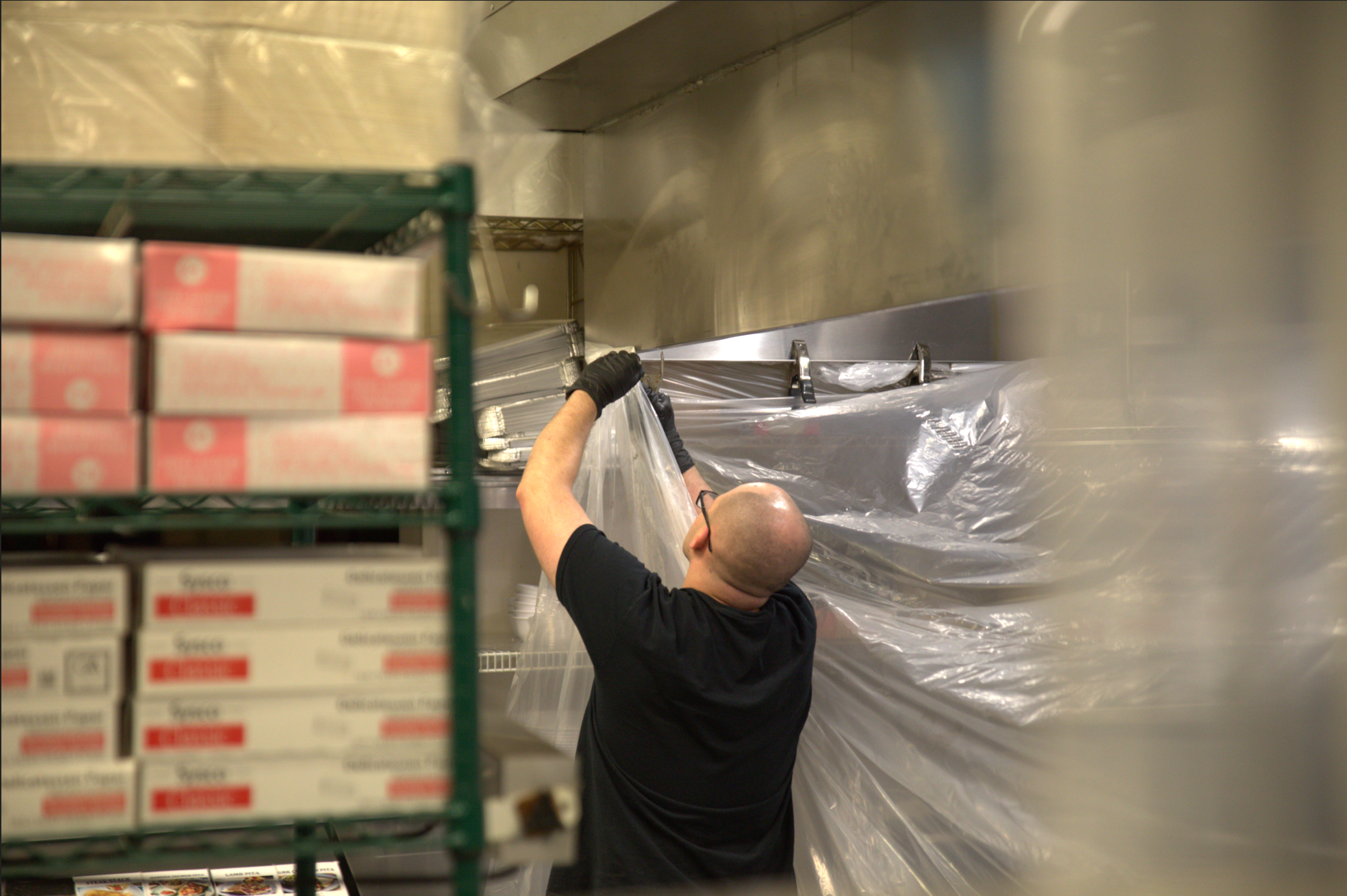
Entering the winter months means more than switching your attire. It also means prepping for the unique challenges that the season presents. Failing to take proper precautions can pose significant safety concerns for both life and property. By reading the article below, you can feel confident in your restaurant’s safety practices.
Read More
Topics:
Compliance,
Restaurants,
Kitchen Exhaust Cleaning,
Fire Safety,
Best Practices,
Customer,
Fire Code
For Casie Stuart, Operations Manager at Xtreme Fire Protection, partnering with Commercial Fire wasn’t just a business decision—it was a relationship built on trust, communication, and mutual success.
Casie has worked with Commercial Fire across three different companies for nearly 20 years. When she joined Xtreme Fire Protection three years ago, the affiliate relationship was already in place. “I’ve known Bill Dayton for probably close to 20 years,” she shared. “This is the third company I’ve worked at that’s partnered with Commercial Fire.”
Read More
Topics:
Compliance,
Restaurants,
Kitchen Exhaust Cleaning,
Fire Safety,
Best Practices,
Customer,
Fire Code
Retail Stores and Restaurants
The New York Retail Worker Safety Act became active on June 2, 2025. The law is now part of the consolidated Laws of New York State, Article 2, Section 27-E, Prevention of workplace violence. The law puts the burden on retail store and restaurant owners and managers to implement workplace violence prevention programs, with a compliance deadline of June 2, 2025. The state's Department of Labor has issued guidance and a model policy to help businesses comply at https://dol.ny.gov/retail-worker-safety.
The New York Food Allergy Awareness Law became effective May 21, 2025. New York State now requires all food service establishments to have a designated food safety manager who has completed an approved allergen awareness training course. The new law also requires the posting of a food allergy notice in multiple languages for the safety of customers with food allergies. The law also requires menus to inform customers to notify their server about any food allergies. Additional information can be found on the NY Department of Agriculture and Markets website https://agriculture.ny.gov/news/new-york-state-announces-new-initiative-increase-allergy-awareness-restaurants-and-food.
Read More
Topics:
Compliance,
Restaurants,
Kitchen Exhaust Cleaning,
Fire Safety,
Best Practices,
Customer,
Fire Code
Introduction
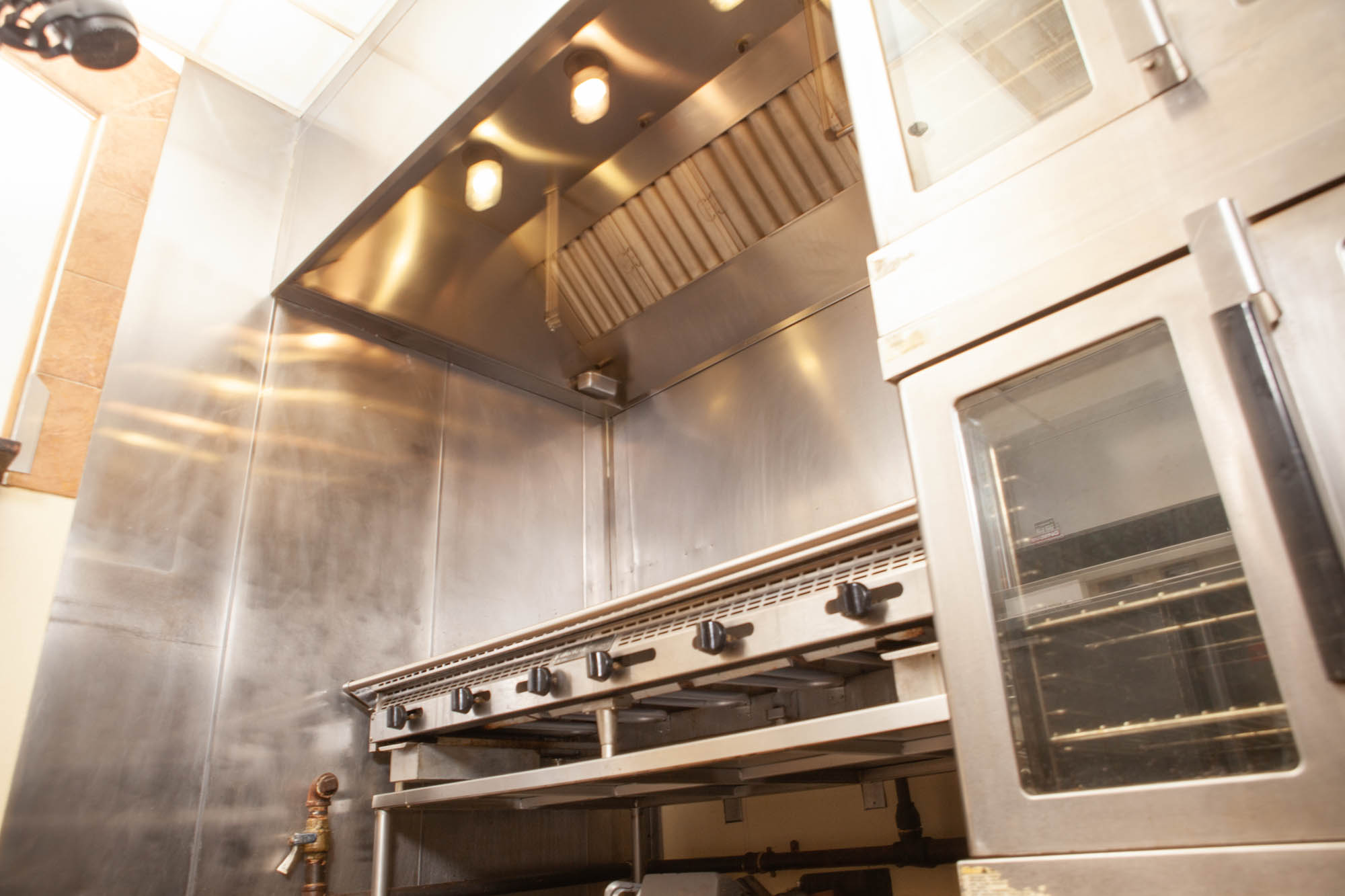
Protect your business, your staff, and your customers with professional kitchen exhaust system maintenance. If your business operates a commercial kitchen—whether it’s a restaurant, hospital, school, or senior living facility—routine kitchen exhaust cleaning is not just a best practice. It's a fire safety requirement. At Commercial Fire, we specialize in NFPA-compliant exhaust system cleaning that protects your people, your property, and your reputation.
Read More
Topics:
Compliance,
Restaurants,
Kitchen Exhaust Cleaning,
Fire Safety,
Best Practices,
Customer,
Fire Code
Introduction
Ensuring that senior care facilities have adequate fire safety measures should always be a top priority. Luckily, Commercial Fire offers a comprehensive range of services designed to address this vital need. Below, we outline 10 ways we promote fire safety tailored explicitly for senior care facilities.
Read More
Topics:
Compliance,
Fire Safety,
Life Safety,
Customer
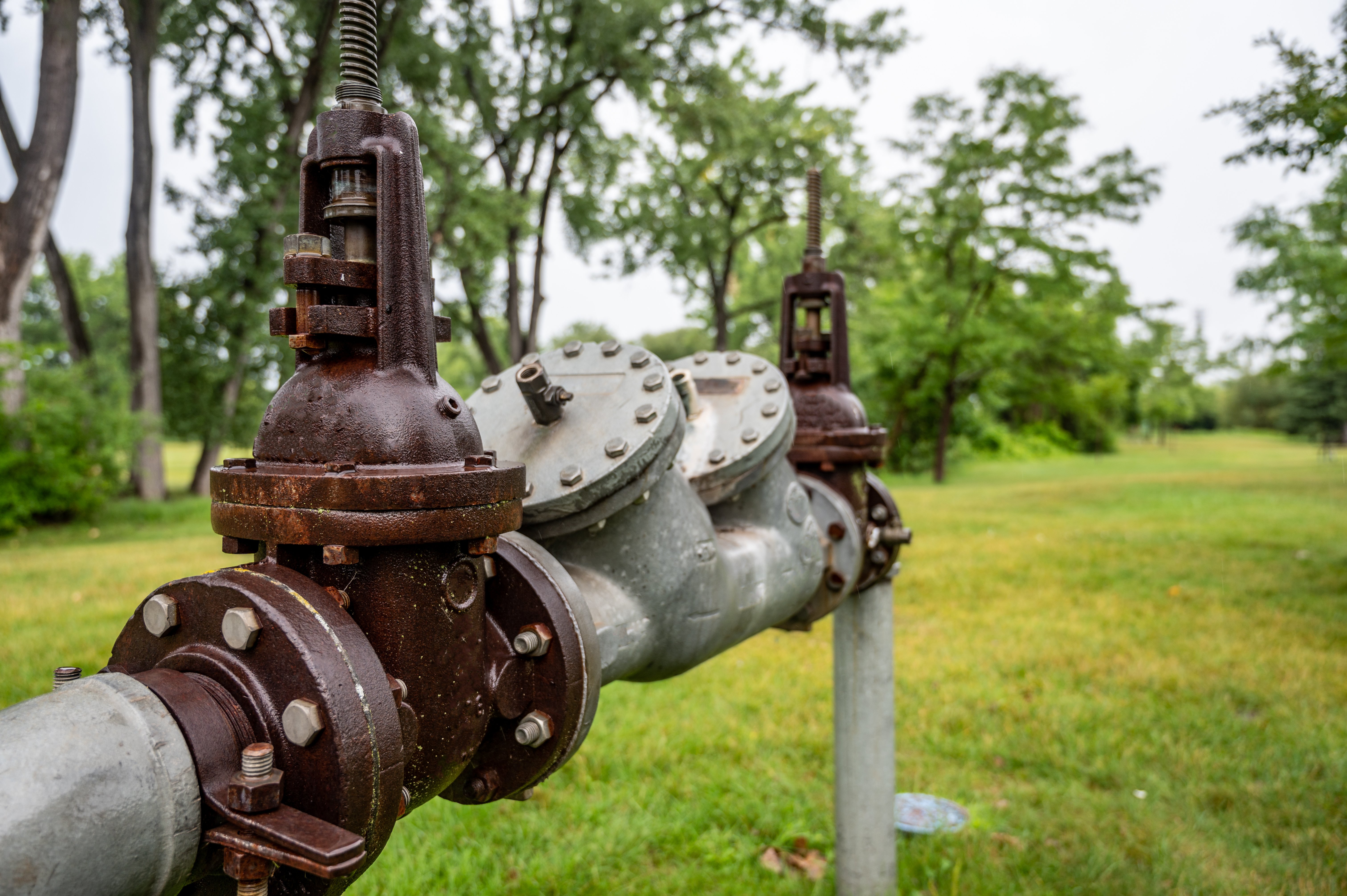
BACKFLOW - Backflow is simply a reversal of the average water flow—from the customer side of the meter into the water system. It can happen due to water pressure differences or sudden changes in pressure. It can allow contaminants to be pumped or siphoned back into buildings’ plumbing system and, potentially, the public water supply. These situations occur if normal pressures are interrupted by a water main break, a power failure, or some other disruption in water service.
Read More
Topics:
Multi-Site Facilities,
Compliance,
Backflow,
Fire Safety
A building’s automatic fire sprinkler system is a water piping network with discharge devices to spray water to control a fire until the fire department arrives. The discharge devices are called automatic sprinklers. When a fire occurs in a building, sprinklers operate automatically immediately after their heat-activated element reaches a predetermined operating temperature. Once operated from the heat of a fire, water is released out of the sprinkler opening in a spray pattern designed to extinguish the fire in the immediate area of fire origin. Most people don’t know that only one or two sprinklers within the fire typically operate as that’s where there is sufficient heat to trigger the operation of those sprinklers.
Read More
Topics:
Compliance,
Sprinklers,
Fire Safety
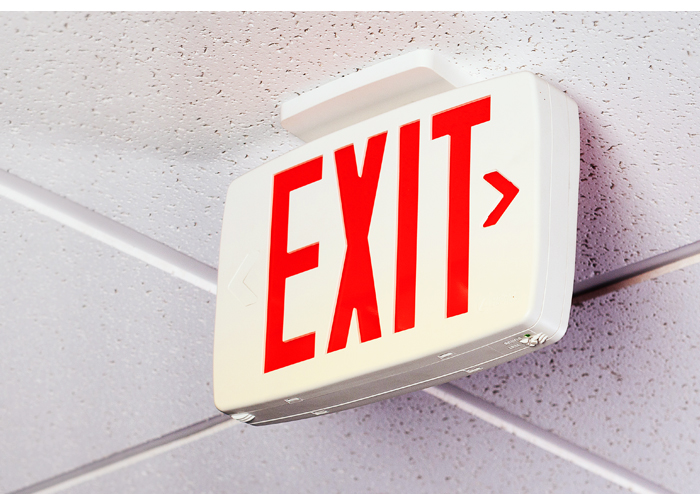
If a sudden power outage casts you, your customers, employees, or vendors into darkness, would everyone be able to escape the premises quickly and safely? Finding a way out of this situation will depend on having correctly functioning Exit Signs and Emergency Lights. Unfortunately, most people don’t think about this critical life safety equipment until they’re in the dark. Then it’s too late.
Did you know that the NFPA 101® Life Safety Code mandates regular tests of Emergency Lights? In this NFPA code, it states that every month, a 30-second push button test is to be performed, and an annual 90-minute functional test must be performed on these devices. Keeping up with the codes and standards are difficult enough, let alone having to run your business on top of that. Well, that’s where a National Fire and Life Safety Provider comes into the picture.
These companies offer nationwide coverage for all the Fire and Life Safety equipment in your building, including Exit Signs and Emergency Lighting. Their services include trained and certified technicians who can perform the necessary services to keep your facility compliant and your occupants and employees safe, including required Monthly and Annual Inspections, Tests, and Maintenance tasks, and any mandated repairs or replacements. These precautions ensure safe exits in an emergency and that the proper records are kept for AHJs.
As a matter of fact, National Fire and Life Safety Providers can maintain and supply the written test and maintenance records that the Code requires. Having these records is extremely important as they must be on the premises should an AHJ request them. Should you misplace this paperwork, then the National Fire and Life Safety Providers will have backup copies on a dashboard where they can be downloaded should you need them.
Read More
Topics:
Multi-Site Facilities,
Emergency Lighting,
Compliance,
Fire Safety
Did you know that, according to the National Fire Protection Association (NFPA), 22% of fires in commercial cooking operations were caused by a failure to clean cooking equipment? Tragically, from 2010 thru 2014, annual averages of three deaths, 110 injuries, and $165 million in property damage costs resulted from these fires.
Read More
Topics:
Multi-Site Facilities,
Compliance,
Fire Extinguishers,
Restaurants,
Kitchen Exhaust Cleaning


.jpg)